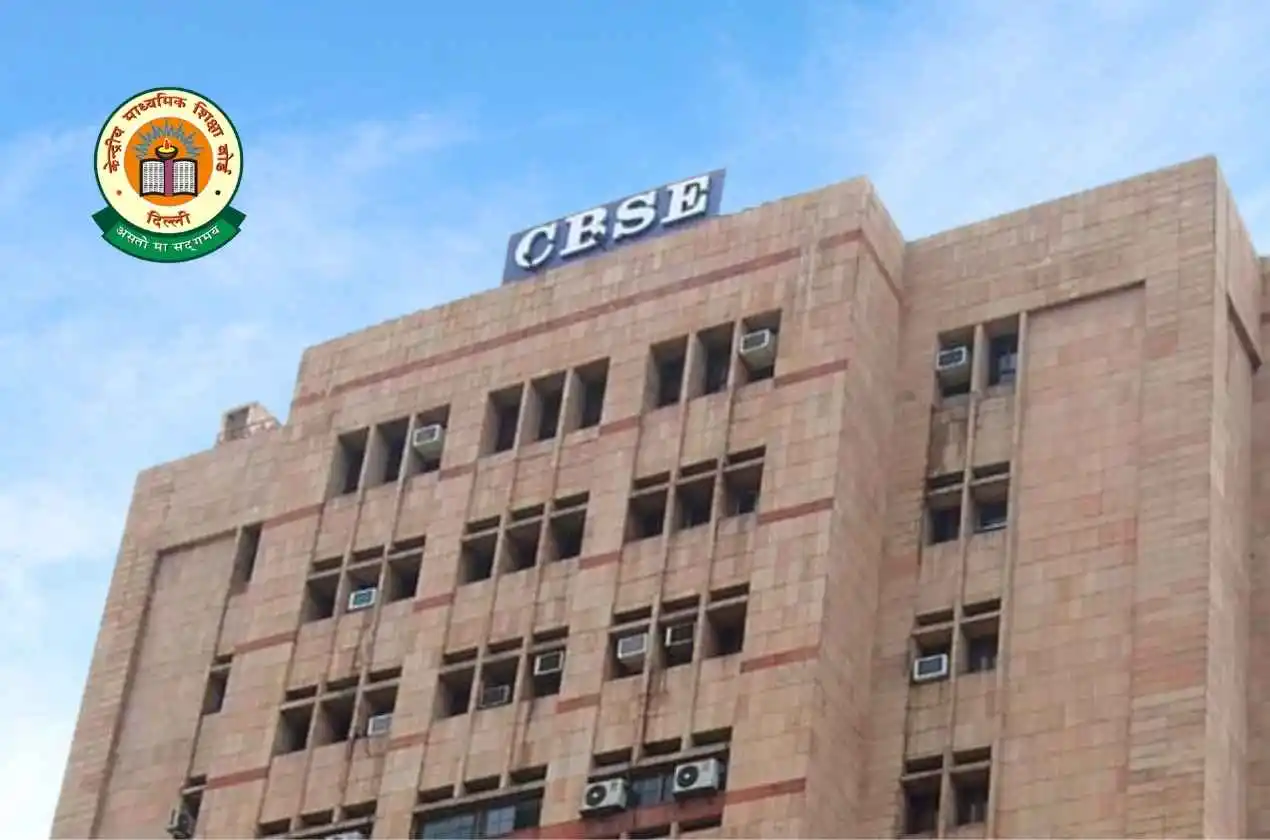
CBSE warns against misleading claims about QR codes in question papers and urges verification through official sources only
The Central Board of Secondary Education has issued a clear advisory to stop the spread of confusion about QR codes printed on question papers.
CBSE has noticed that people are sharing misleading information about these QR codes. To address this issue, the board has explained their actual purpose in simple terms.
 Join Our WhatsApp Channel
CBSE states that these QR codes do not work as internet links. They do not open any website when students scan them. Instead, CBSE uses these codes only for internal purposes such as authentication, tracking, and maintaining the integrity of examinations.
The board also points out another important issue. When people try to search QR-related text on search engines, they may see unrelated and confusing results. These results come from automated systems and do not have any connection with CBSE or its examination process.
CBSE has also highlighted that some individuals intentionally spread false information. They link these QR codes to unrelated people or content and create confusion among students and the public. The board clearly states that such claims are incorrect and misleading.
Important FAQs on CBSE QR Code Advisory
| Question | Answer (Simple & Clear) |
|---|---|
| What are QR codes in CBSE question papers? | CBSE uses them for authentication, tracking, and exam safety. |
| Do these QR codes open websites? | No, they do not open any internet links. |
| What happens when someone scans them? | They only show text, not any webpage. |
| Why do people see confusing results online? | Search engines show unrelated results automatically. |
| Are these online results related to CBSE? | No, they have no connection with CBSE exams. |
| Is someone spreading wrong information? | Yes, some people are spreading false and misleading claims. |
| What mistake should students avoid? | Students should not believe or share unverified information. |
| What should parents and teachers do? | They should verify facts through official CBSE sources. |
| What does CBSE advise media and public? | CBSE asks them to act responsibly and avoid spreading rumours. |
| What is the main message of CBSE? | Share only correct and verified information. |
To prevent further confusion, CBSE advises everyone to act responsibly. It asks students, parents, teachers, and media platforms to:
- Avoid sharing unverified or speculative information
- Check facts only through official CBSE communication
- Stay careful before spreading any content that may harm the credibility of the board
CBSE urges all stakeholders to take responsibility and ensure that they share only correct and verified information. The board aims to protect the trust and integrity of the examination system through this advisory.