CBSE Warns Teachers and Public Against Misleading Social Media Posts on Board Exam Evaluation
India’s Central Board of Secondary Education (CBSE) has issued a strong advisory warning teachers and other individuals against sharing misleading or confidential information related to Class X and Class XII examinations on social media.
The Board said several posts circulating online contain inaccurate claims and personal opinions about the evaluation process, which could create confusion among students, parents, and schools.
 Join Our WhatsApp Channel
In two separate circulars released by the Board, CBSE emphasized that the examination and evaluation system operates under strict confidentiality rules. Any attempt to publicly discuss the process, share experiences, or spread rumors online could lead to disciplinary or legal action.
The advisory comes at a time when evaluation work for board examinations is underway across the country. Officials say maintaining trust in the system is essential, and unverified social media posts can undermine that credibility.
Concerns Over Social Media Posts
According to CBSE, some individuals involved in the evaluation process of Class X and Class XII answer sheets have been posting comments and experiences on social media platforms. In many cases, the Board noted, these posts are misleading or factually incorrect.
Such posts can create unnecessary speculation about exam results, marking patterns, or evaluation practices. CBSE said this not only spreads rumours but also damages confidence in the fairness and transparency of the examination system.
The Board reminded teachers that evaluation work is confidential and governed by strict professional protocols. Sharing details about the process, even casually online, is considered a violation of professional conduct.
Key Points from the Advisory
| Issue | CBSE Clarification |
|---|---|
| Evaluation Confidentiality | The evaluation process for Class X and XII board exams is strictly confidential. |
| Social Media Posts | Sharing opinions, experiences, or misleading information about evaluation on public platforms is prohibited. |
| Misuse of CBSE Name/Logo | Individuals are not allowed to use the CBSE name, logo, or pictures of CBSE buildings to spread misinformation. |
| False Information | Disseminating incorrect information related to exams or evaluation may invite disciplinary or legal action. |
| Official Updates | Only updates released through CBSE’s official website and authorized channels should be considered reliable. |
Legal Action Against Defaulters
In its second circular, the Board expanded the warning to include individuals who may not be directly involved in evaluation but are still spreading misleading information online.
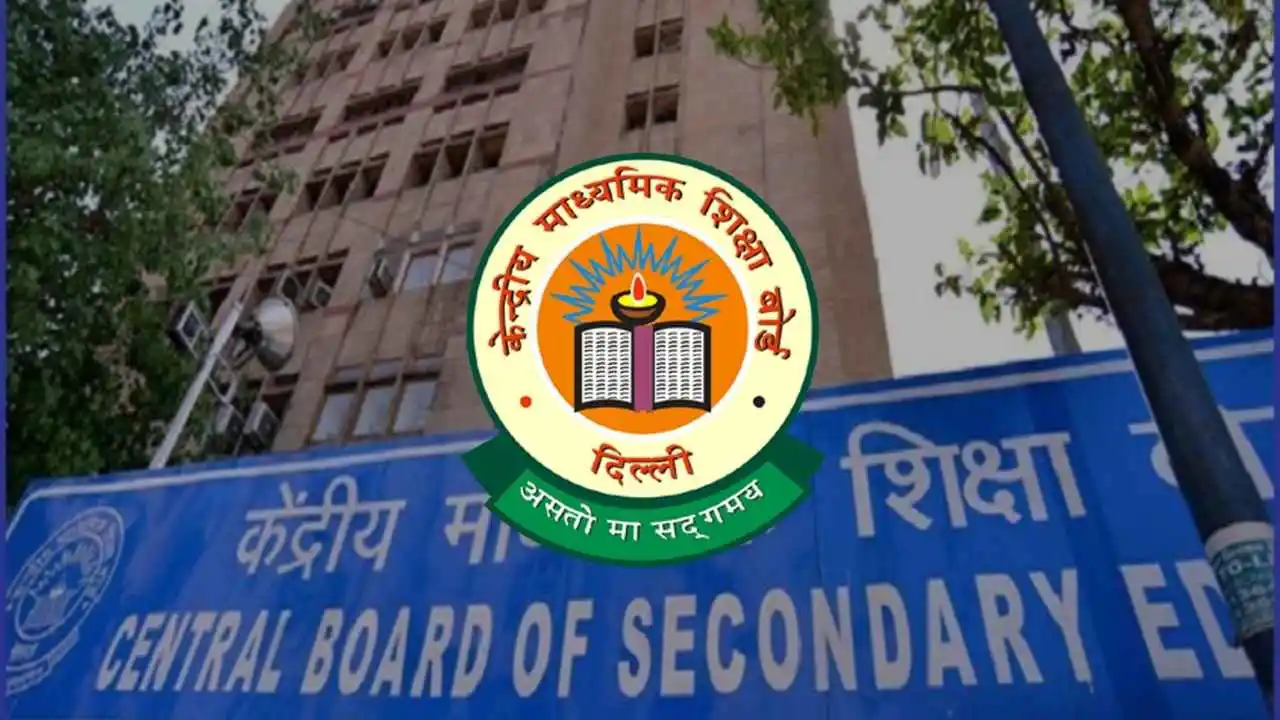
CBSE said some people have been using the Board’s name, logo, or images of its buildings to give credibility to false posts. Such actions, officials said, are intended to mislead the public and create unnecessary panic or confusion among stakeholders.
Connect with us on WhatsApp
The Board made it clear that anyone found engaging in such activities could face legal action under relevant provisions of law.
Advisory to Schools and Teachers
CBSE has asked schools to immediately circulate the advisory among teachers involved in the evaluation process. The Board expects educators to maintain confidentiality, professionalism, and integrity while performing their duties.
Teachers have also been urged to exercise restraint when using social media and avoid discussing any aspect of the evaluation process publicly.
Trust Only Official Sources
The Board also advised students, parents, and other stakeholders not to rely on unverified social media posts related to examinations. Instead, they should follow announcements issued through CBSE’s official website and authorized communication channels.
Officials say the advisory aims to protect the credibility of the examination system and ensure that misinformation does not disrupt the academic process.
CBSE Controller of Examinations Dr. Sanyam Bhardwaj, who signed both circulars, stressed that cooperation from teachers, schools, and the wider public is essential to maintain the integrity of India’s national board examination system.